
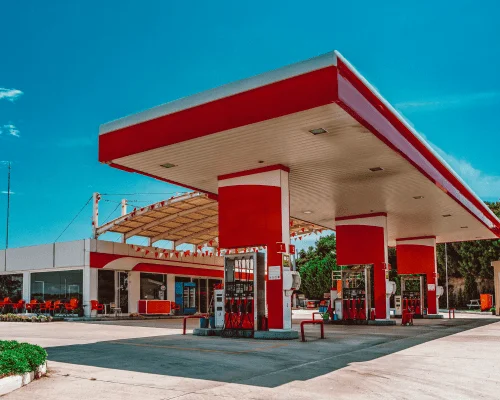
How to Value a California Gas Station? If you are thinking about buying or selling a gas station in California, figuring out the right value is more complex than most other businesses. California’s strict environmental rules, high real estate costs, and special regulations make valuing a gas station here different from other states. Let’s break down everything you need to know.
Valuing a California gas station can be a complex process, but understanding the key factors and utilizing appropriate valuation methods can help you make informed decisions. While California’s unique regulatory environment and high real estate costs may add complexity, they also contribute to the potential value of a well-managed gas station.
Factors such as the station’s profitability, brand affiliation, and location can significantly impact its value. By carefully analyzing these factors and consulting with experienced professionals, you can gain valuable insights into the fair market value of a California gas station.
Understanding Sellers Discretionary Earnings (SDE)
Before diving into specific values, you need to understand Seller’s Discretionary Earnings (SDE). This is the real money a gas station makes in a year after paying regular business expenses, but before paying the owner’s salary and certain other costs. For gas stations, this includes profits from:
- Fuel sales
- Convenience store sales
- Car wash (if present)
- Auto service (if offered)
To calculate SDE, start with the profit shown on tax returns, then add back:
- The owner’s salary
- Personal expenses paid through the business
- One-time unusual expenses
- Interest payments
- Depreciation
The Rule of Thumb Method
In California, gas stations typically sell for between 2.5 to 4 times yearly SDE, plus the value of real estate (if included) and inventory. For example:
- If a station’s SDE is $300,000
- The business value might be between $750,000 and $1,200,000
- Plus real estate value
- Plus inventory value
- Plus equipment value

Critical California Environmental Factors
California’s stringent environmental regulations significantly impact the valuation of gas stations. The state’s commitment to clean air and water quality has led to strict guidelines for underground storage tanks, soil remediation, and air emissions. Non-compliance with these regulations can result in substantial costs, potential liabilities, and decreased property value.
Underground Storage Tanks (USTs)
- Age and condition of tanks
- Double-wall compliance
- Monitoring systems
- Testing records
- Leak detection systems
- Insurance coverage
- Compliance with State Water Board regulations
Environmental Compliance
- CARB (California Air Resources Board) requirements
- Vapor recovery systems
- Air quality permits
- Hazardous materials permits
- Spill prevention plans
- Environmental testing reports
- Soil and groundwater conditions
Important Physical Assets
The physical assets of a gas station, such as the land, buildings, and equipment, are crucial factors in determining its value. The condition, age, and functionality of these assets can significantly impact the overall valuation. Additionally, the size and configuration of the property, including the number of fuel pumps and convenience store size, can influence its potential income-generating capacity and, consequently, its value.
Fuel System Components
- Fuel dispensers
- Point of sale systems
- Tank monitoring equipment
- Canopy condition
- Islands and concrete
- Piping systems
- Emergency shut-off systems
Property Features
- Location and access
- Traffic counts
- Corner lot vs. mid-block
- Street visibility
- Competitor proximity
- Neighborhood demographics
- Future development plans
California-Specific Value Factors
California, a state renowned for its unique blend of diverse cultures, innovative industries, and stunning landscapes, presents a distinct set of factors that influence the valuation of gas stations. Beyond the standard considerations of real estate value and business operations, California’s specific regulatory environment, environmental concerns, and consumer preferences play a significant role in determining the overall worth of these properties.
Moreover, the state’s strong emphasis on branding and marketing agreements can significantly impact the value of a gas station. Strong brand affiliations and exclusive contracts with major retailers can enhance a property’s desirability and, consequently, its market value.
Branding and Supply Agreements
- Major oil company brand vs. independent
- Fuel supply contract terms
- Credit card fees
- Volume requirements
- Pricing flexibility
- Territory protection
- Contract length remaining
Real Estate Considerations
- Property ownership vs. lease
- Lease terms and length
- Rent increases
- CAM charges
- Property tax assessments
- Local zoning requirements
- Development potential

Additional Revenue Sources
Beyond fuel sales, gas stations in California often generate additional revenue through well-stocked convenience stores offering a variety of products, from snacks and beverages to groceries and household items. Moreover, many gas stations have expanded their offerings to include ancillary services like car washes, auto repair, and even food service. These additional revenue streams can significantly enhance the overall profitability and valuation of a gas station, especially in a competitive market.
Convenience Store
- Store size and layout
- Product mix
- Profit margins
- California lottery sales
- Tobacco license
- Beer and wine license (if applicable)
- Food service permits
Other Services
- Car wash revenue
- Smog check station
- Auto repair shop
- Quick service food
- ATM income
- Vending machines
- Electric vehicle charging
Step-by-Step California Gas Station Valuation Process
Valuing a California gas station involves a meticulous process that considers various factors specific to the state. A comprehensive valuation typically begins with a thorough analysis of the property’s real estate value, including land and improvements. This assessment takes into account factors like location, zoning, and potential future development opportunities. Next, the valuation delves into the business operations, examining factors such as fuel sales volume, convenience store revenue, and additional services offered.
Financial performance, including income statements and cash flow analysis, is also scrutinized to assess the business’s profitability and growth potential. Finally, the valuation considers the impact of California’s unique regulatory environment, environmental factors, and consumer preferences on the overall value of the gas station. By carefully considering these factors, a comprehensive valuation can provide valuable insights for buyers, sellers, and investors in the California gas station market.
1. Gather Required Documents
- Environmental testing reports
- UST compliance records
- CARB compliance documentation
- Fuel supply agreements
- Financial statements
- Tax returns
- Property documents
- Permits and licenses
2. Calculate SDE
- Review fuel margins
- Analyze store sales
- Add back owner’s salary
- Add back personal expenses
- Add back one-time costs
3. Evaluate Physical Assets
- Tank system condition
- Equipment age and maintenance
- Property condition
- Store fixtures
- Technology systems
4. Research Market Conditions
- Local competition
- Traffic patterns
- Development plans
- Population trends
- Income levels
- Real estate values

Red Flag Warning Signs
When evaluating a California gas station, it’s crucial to be aware of potential red flags that could signal underlying issues. These red flags may include inconsistent financial performance, declining sales volumes, outdated infrastructure, environmental compliance issues, or ongoing legal disputes. Additionally, a high turnover rate of employees or a lack of experienced management can be a cause for concern. By carefully examining these factors, potential buyers and investors can mitigate risks and make informed decisions.
Environmental Red Flags
- Old single-wall tanks
- Failed compliance tests
- Soil contamination
- Outdated vapor recovery
- Missing documentation
- Pending violations
- Insurance issues
Business Red Flags
- Declining fuel volumes
- Falling store sales
- High employee turnover
- Equipment problems
- Poor maintenance
- Increasing competition
- Short-term lease
- Rising costs
Current California Market Trends
The California gas station market is currently experiencing a dynamic shift, influenced by several key trends. The increasing adoption of electric vehicles is posing a challenge to traditional fuel sales, prompting gas station owners to diversify their offerings. This has led to a focus on convenience stores, car washes, and other ancillary services to maintain profitability.
California’s stringent environmental regulations are driving the need for cleaner fuels and sustainable practices, impacting the operations and valuation of gas stations. As consumer preferences evolve, gas stations are adapting to meet changing demands, such as offering healthier food options and implementing innovative technologies. By staying informed about these market trends, investors and business owners can navigate the complexities of the California gas station market and make informed decisions.
Industry Changes
- Electric vehicle adoption
- Alternative fuel requirements
- Chain store competition
- Mobile payment systems
- Delivery services
- Car wash automation
- Convenience store evolution
Regulatory Changes
- Environmental regulations
- Minimum wage increases
- Underground tank requirements
- Zero emission goals
- Local ordinances
- Insurance requirements
Getting Professional Help
While it’s possible to conduct a preliminary valuation of a California gas station using online tools and resources, engaging a professional appraiser is highly recommended. A qualified appraiser possesses the expertise to accurately assess the property’s real estate value, analyze the business operations, and consider the impact of California’s unique regulatory environment. By leveraging their knowledge and experience, appraisers can provide a comprehensive valuation report that can be used for various purposes, such as buying, selling, financing, or estate planning.
Work with California experts:
- Environmental consultants
- UST specialists
- Business brokers specializing in gas station business & property sales (like Mission Peak Brokers)
- Real estate agents
- Equipment appraisers
- Environmental attorneys
- Accounting professionals
They can help you:
- Review environmental reports
- Check compliance history
- Value equipment properly
- Understand regulations
- Negotiate fair prices

Calculating Final Value
Calculating the final value of a California gas station involves a multi-faceted approach that considers both tangible and intangible assets. The real estate value, including land and improvements, is a significant component. The value of the business operations, encompassing fuel sales, convenience store revenue, and additional services, is another key factor. Intangible assets, such as brand recognition, customer loyalty, and regulatory permits, also contribute to the overall valuation. By carefully analyzing these elements and applying appropriate valuation methodologies, such as the income capitalization approach or the discounted cash flow method, a comprehensive valuation can be determined.
To determine the final value, consider:
- Base Business Value (SDE × Multiple)
- Plus Real Estate Value (if included)
- Plus Equipment Value
- Plus Inventory Value
- Minus Environmental Issues
- Minus Required Upgrades
- Plus/Minus Market Conditions
Final Thoughts
Valuing a California gas station is complex because of:
- Strict environmental rules
- High real estate costs
- Changing fuel markets
- Complex regulations
- Future uncertainties
Take extra time to check environmental compliance and future requirements. A station with clean environmental reports and updated equipment might be worth more than one with higher current profits but potential problems.
Work with professionals who know both the gas station business and California’s specific requirements. They can help you understand both current value and future risks or opportunities.
Remember that California’s environmental rules often change. What’s acceptable today might need expensive upgrades tomorrow. Factor these potential costs into your valuation calculations.
The most valuable stations usually have:
- Clean environmental history
- Updated equipment
- Good location
- Strong store sales
- Multiple profit centers
- Room for growth
By carefully considering all these factors, you can determine a fair value for a California gas station that makes sense for both buyers and sellers.
Ready to Get Your California Gas Station Professionally Valued? Mission Peak Brokers Can Help!
Determining your gas station’s true market value can feel overwhelming. That’s where we come in. At Mission Peak Brokers, we specialize in helping gas station owners like you maximize their business value and secure the best possible selling price.
Contact us today for a FREE, no-pressure consultation. We’ll help you understand your gas station’s true value and guide you through the selling process.
- Understand your gas station’s true market value
- Identify opportunities to increase your sale price
- Navigate the complex selling process
- Connect with qualified buyers
- Maximize your return on investment
Don’t risk leaving money on the table. Let Mission Peak Brokers turn your gas station sale into your top-dollar asset!


